Think about the last time a song instantly changed your mood, or a ticking clock kept you awake. Sound affects how we feel, often before we've had time to notice. That everyday experience sits behind a whole category of wellness audio, including Neural Revive. Here's what's actually going on, in plain English.
Your brain runs on rhythm
Brain cells communicate through tiny electrical signals. When large groups of them fire together, they create rhythmic patterns often called brainwaves. Researchers describe these by speed: faster patterns are associated with alert, busy thinking, and slower ones with relaxed or drowsy states.
These rhythms aren't fixed. They shift naturally throughout the day as you move between concentrating, daydreaming and falling asleep.
What is brainwave entrainment?
Entrainment means one rhythm gradually falling into step with another. In brainwave entrainment, a steady external rhythm, such as a pulsing tone, is used to encourage the brain's activity to follow along. The best-known example is binaural beats: two slightly different tones, one in each ear, which the brain perceives as a single pulsing beat. That's why many audio programs ask you to use headphones.
What does the research say?
The honest answer is: promising, but not settled.
- A 2019 meta-analysis pooling 22 studies found an overall medium-sized effect of binaural beats on measures of cognition, anxiety and pain perception.
- A 2008 review of 20 studies on rhythmic auditory and visual stimulation reported encouraging findings and called for more controlled trials.
- The NIH's National Center for Complementary and Integrative Health notes that music-based approaches may help with stress and how people feel they sleep, but much of the evidence comes from small studies.
Important: Research on a general technique is not the same as evidence for a specific product. No independent clinical trial of Neural Revive has been published. Treat any audio program as a relaxation tool, not a medical treatment.
Where Neural Revive fits
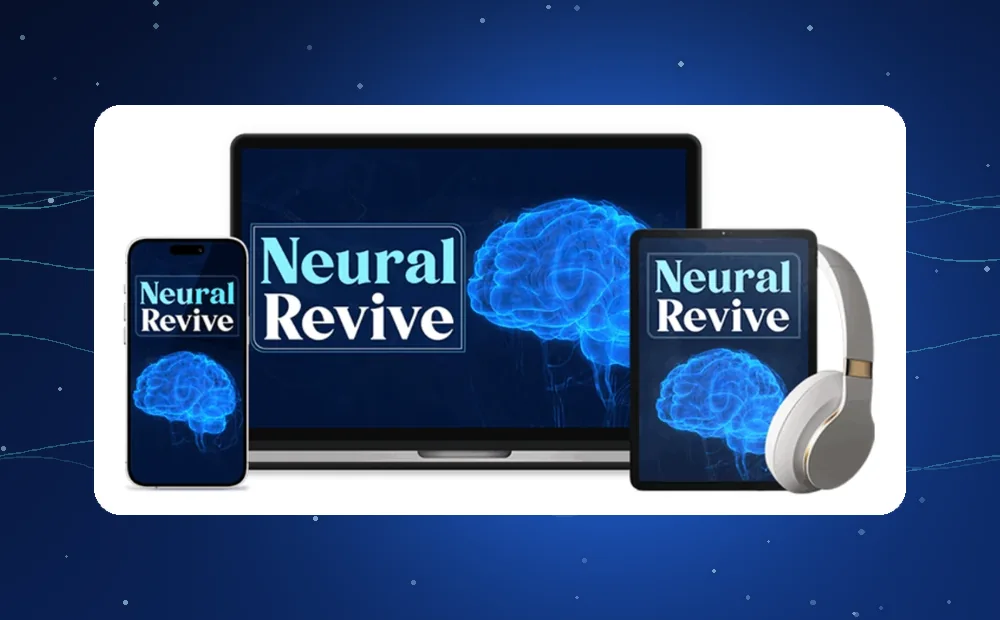
Neural Revive applies these ideas in a simple format: a 7-second activation cue, followed by about 10 minutes of layered tones and rhythmic pulses. The seller presents it as a daily routine for relaxation, focus and mental clarity. You can read the full breakdown on our How It Works page.
How to listen well
- Use comfortable stereo headphones at a moderate volume. The NIDCD explains how loud listening can harm hearing.
- Choose a quiet spot where you can close your eyes safely, and never listen while driving.
- Be consistent. The same time each day helps the habit stick.
- Notice how you feel over a few weeks rather than judging a single session.
Curious to try a structured routine? See what's included on the Neural Revive overview.
Try the 10-minute Neural Revive routine
Digital audio with a 7-second activation cue, three bonuses and a 90-day money-back guarantee.
Independent affiliate website. We may earn a commission when you order through our links. Affiliate Disclosure